
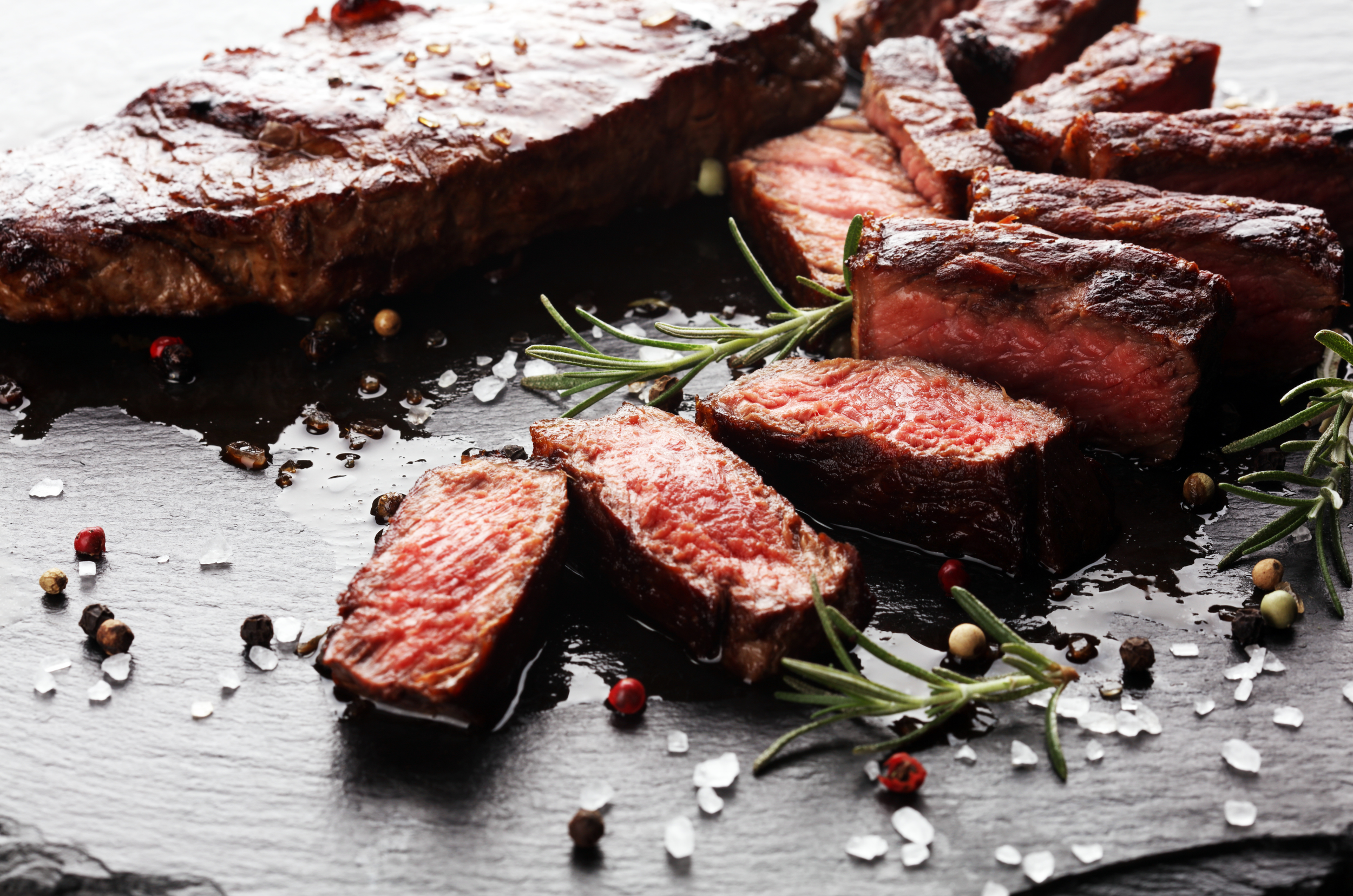
The Process Behind Our Beef
Regenerative Practices on Kansas Pasture
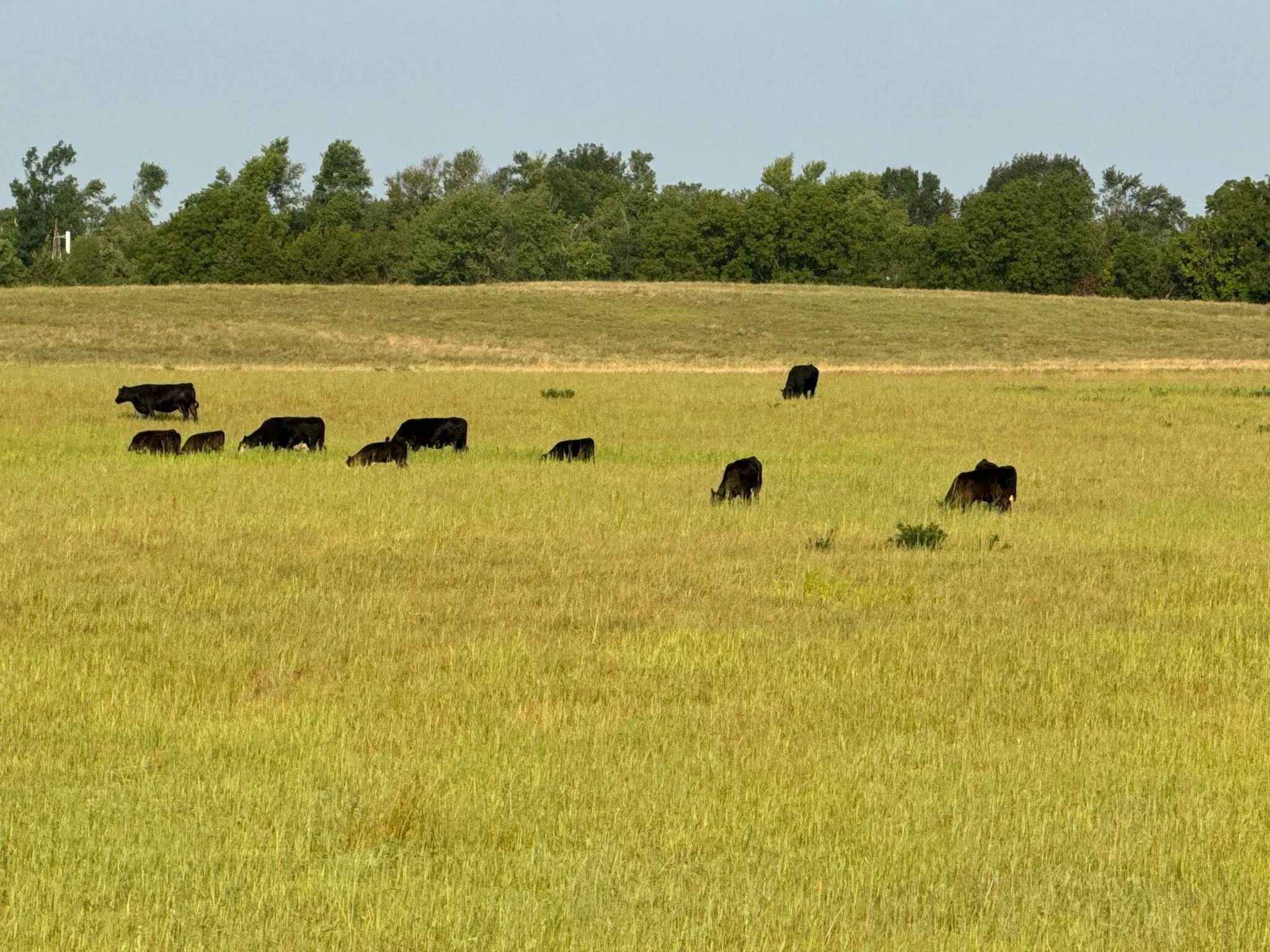
Over the years, we’ve spent time researching and trialing the best practices for the health of our cattle, and the productivity of our land. Today, we practice rotational grazing — we shifted because we saw what happened when pasture was given time to recover.
Cattle are moved between paddocks to allow grasses adequate rest and regrowth. After grazing, the biology left behind supports soil life and strengthens root systems below the surface. Over time, we’ve watched the land respond — thicker stands of grass, improved moisture retention, and cattle that maintain condition on native forage.
Our goal is not maximum output in a single season. It is steady improvement year after year. Healthier soil supports stronger pasture. Stronger pasture supports healthier cattle. And healthier cattle produce better beef.
That progression is what led us fully into grass-fed, grass-finished production.

2-5x
more Omega-3 fatty acids in grass-fed beef
20,000
additional gallons of water held per acre for every 1% increase in soil organic matter
30%
improvement in forage utilization with rotational grazing
Grass-Fed and Grass-Finished
Cattle are designed to thrive on native grasses. When finished on pasture, the beef develops differently than conventional grain-fed beef.
Grass-fed, grass-finished beef tends to be leaner while remaining tender and flavorful. It contains higher levels of omega-3 fatty acids and beneficial fats such as oleic acid—nutrients linked to heart health and anti-inflammatory properties. Many customers also notice the brighter color of our ground beef, a reflection of increased oxygen storage in the muscle.
Beyond nutrition, we have seen firsthand that cattle raised on pasture look healthier and move more naturally. Their condition, coat, and overall vitality reflect the environment they were designed for.

Why We Introduced Wagyu Genetics
As we improved our pasture management and focused more intentionally on soil and forage health, we began asking what would elevate the quality of the beef itself.
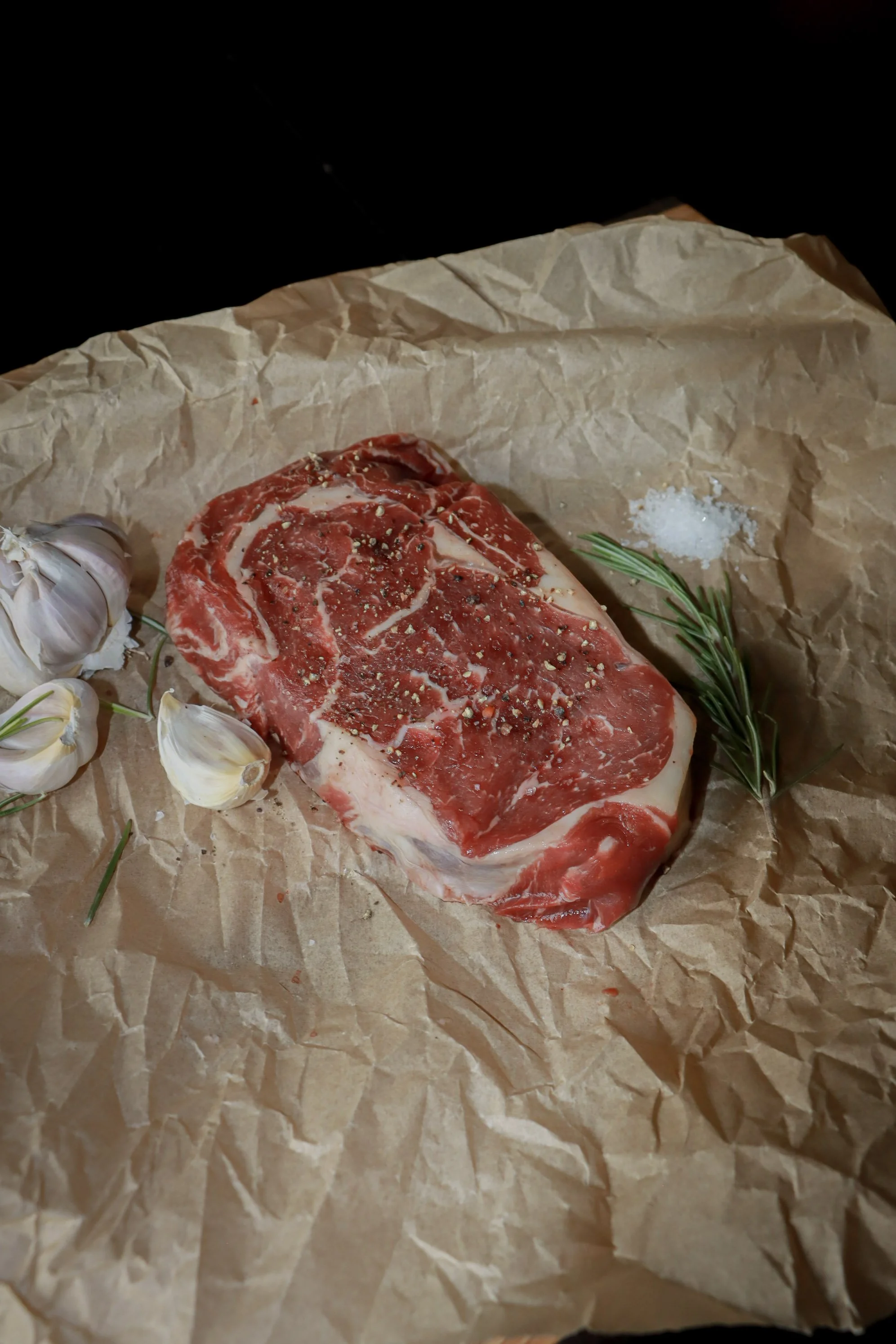
We chose to incorporate Wagyu genetics into our herd, investing in a registered Wagyu bull from Booth Creek Wagyu in Manhattan, Kansas. Wagyu cattle are known for their marbling and fat composition, which contribute to tenderness and flavor without relying on grain finishing.
Today, we raise both American Wagyu and Angus cattle. The Angus offer dependable performance and familiar beef flavor. The American Wagyu bring a different texture and richness, shaped by genetics rather than feedlot practices.
Both are raised the same way—on pasture, under a grass-fed, grass-finished program that reflects how we manage the land